North Cowichan is trialing remediation methods to address the water quality conditions in Quamichan Lake. The trials will occur during the spring and summer of 2026. Learn more about the trials, ask questions, and click “+ Follow” to receive updates on the project.
Background
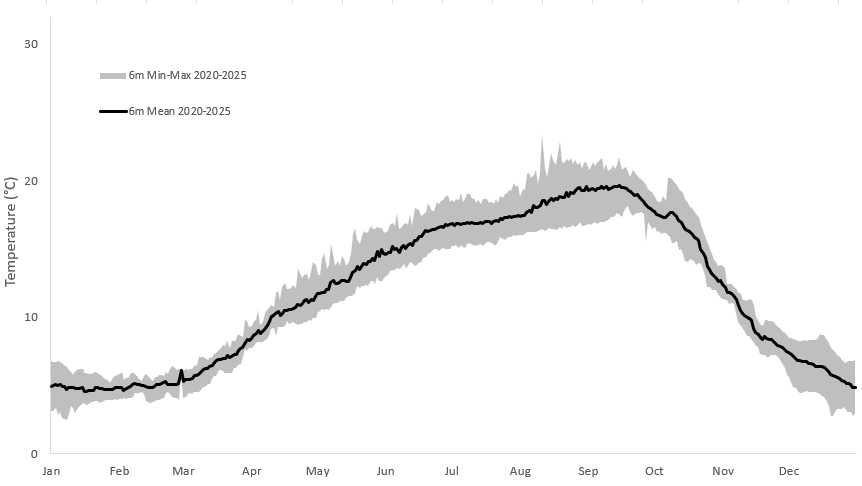
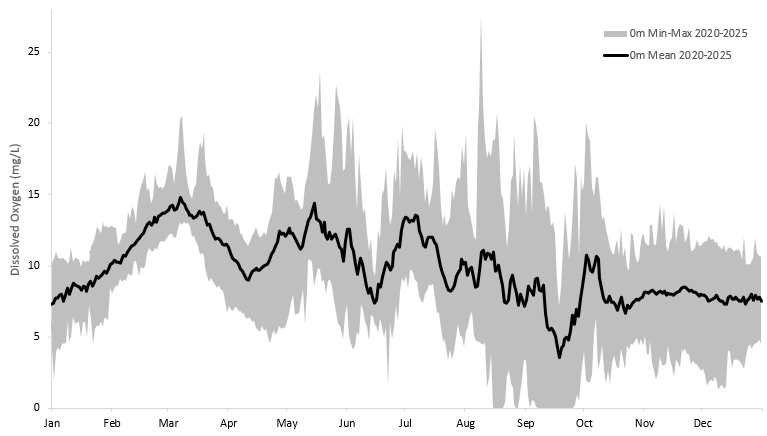
Cyanobacteria blooms in Quamichan Lake are caused by high levels of nutrients in the lakebed. In the summer, a warm surface layer develops in the upper three meters of the lake. The surface water contains high levels of dissolved oxygen, while the denser and cooler bottom layer becomes isolated from the surface and loses oxygen. These layers have little mixing due to their differences in water temperature and density.
The dissolved oxygen at depth is consumed by bacteria like E. coli that eats detritus. This creates extremely low oxygen levels in the deep lake. When the oxygen at depth is completely depleted, changes in chemistry in the lakebed result in phosphorus being released into the water column and making its way slowly to surface waters where it can fertilize algae production. This phosphorus is estimated to contribute 90-95% of the nutrients causing cyanobacteria blooms in the summer. Aquatic scientists use the term ‘internal loading’ to refer to places like Quamichan Lake where the majority of nutrients feeding algae blooms in a lake originate in the lake’s own sediment instead of external sources. The phosphorus in the lakebed has accumulated over the past 150 years of runoff from deforested, farmed, and developed lands in the Quamichan Lake watershed combined with the lake having originally been in a relatively high nutrient state before intensive land development.
Phosphorus and nitrogen are essential nutrients for plants and algae. Cyanobacteria, however, have are adapted to bloom when there is more phosphorus than nitrogen. Large amounts of phosphorus, released from the lakebed in the summer and fall, have thus led to cyanobacteria blooms in Quamichan Lake. Reducing the release of phosphorus from the lakebed should therefore reduce the intensity of summer/fall cyanobacteria blooms.
Monitoring data
Image 1 of 8




How can we mitigate internal loading?
Staff have researched the effectiveness, feasibility, and cost of numerous remediation techniques for Quamichan Lake’s characteristics including hypolimnetic withdrawal/flushing, dredging, aeration, and various nutrient binding technologies. View the reports here:
- Management Options and Monitoring Programs for Cyanobacteria Blooms in Quamichan Lake
- Overview of Water and Sediment Quality and Recommendations
- Quamichan Lake sediment oxygen demand summary (2024)
The monitoring data and research analysis have led North Cowichan staff to propose testing the following actions to remediate cyanobacteria in Quamichan Lake:
- Increase dissolved oxygen near the bottom of the lake in the summer, via aeration, to reduce phosphorus being released from the sediment, and
- Add nutrient binders, like aluminum and iron, to trap additional phosphorus not captured by aeration alone.
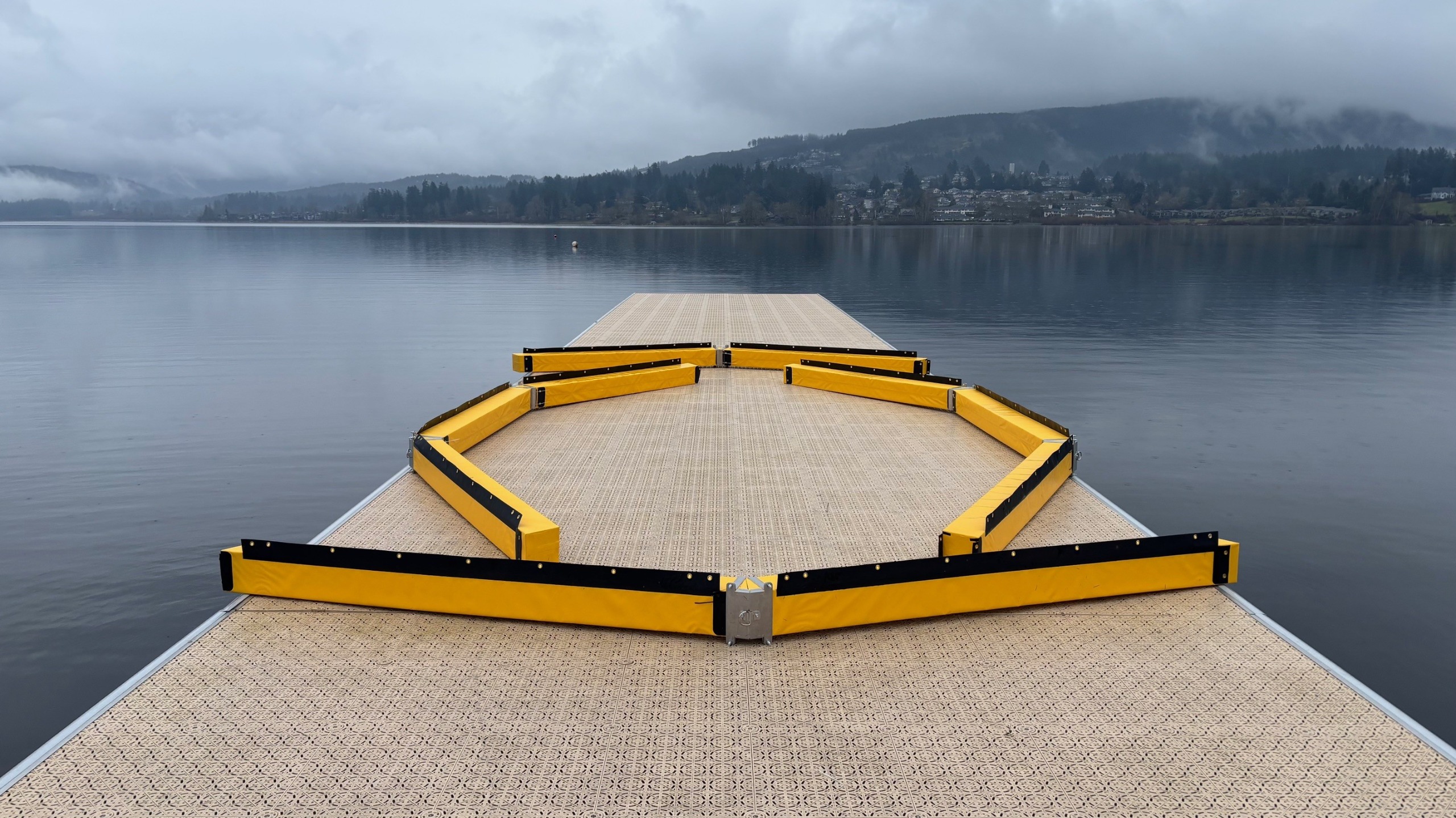
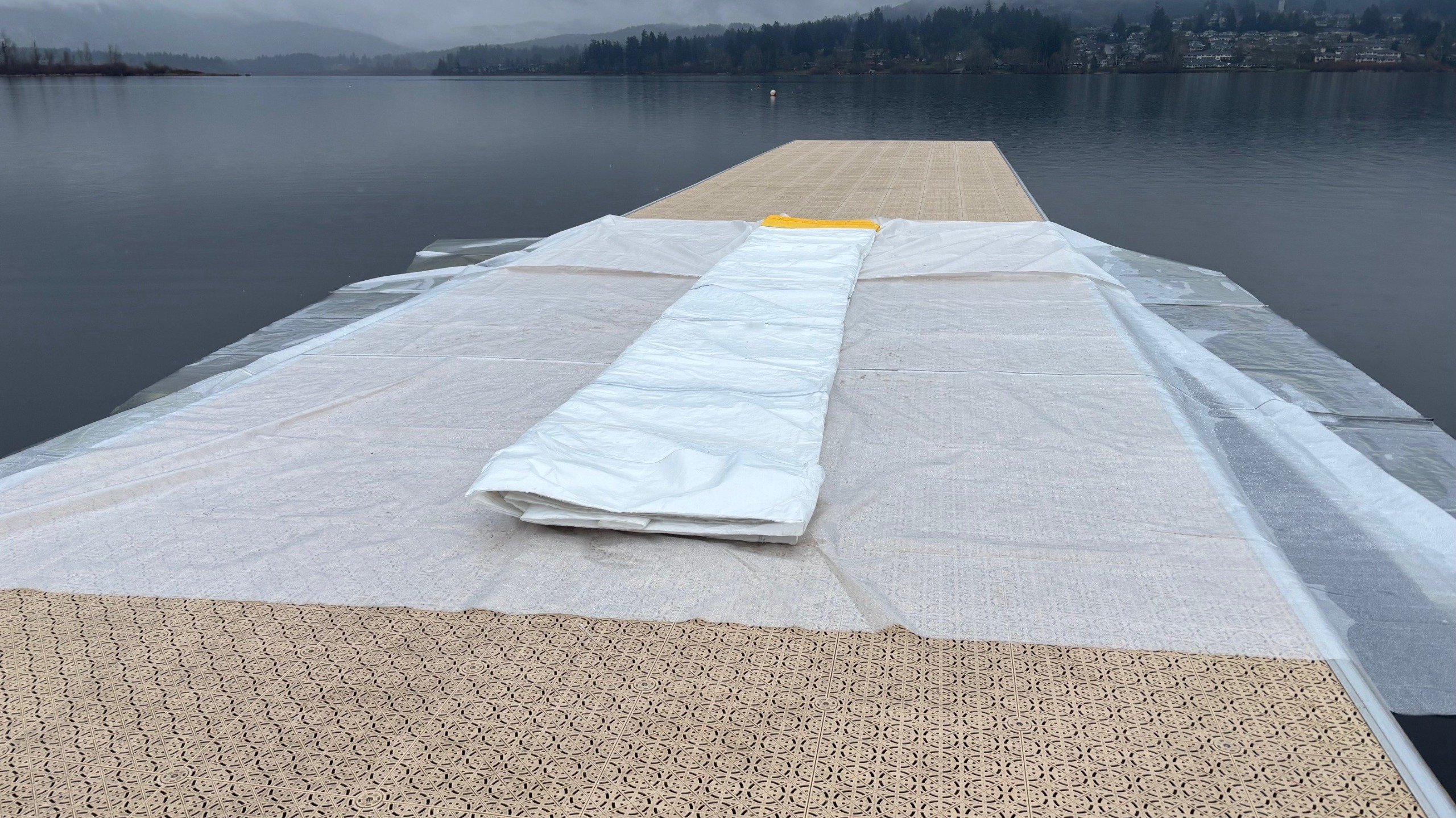
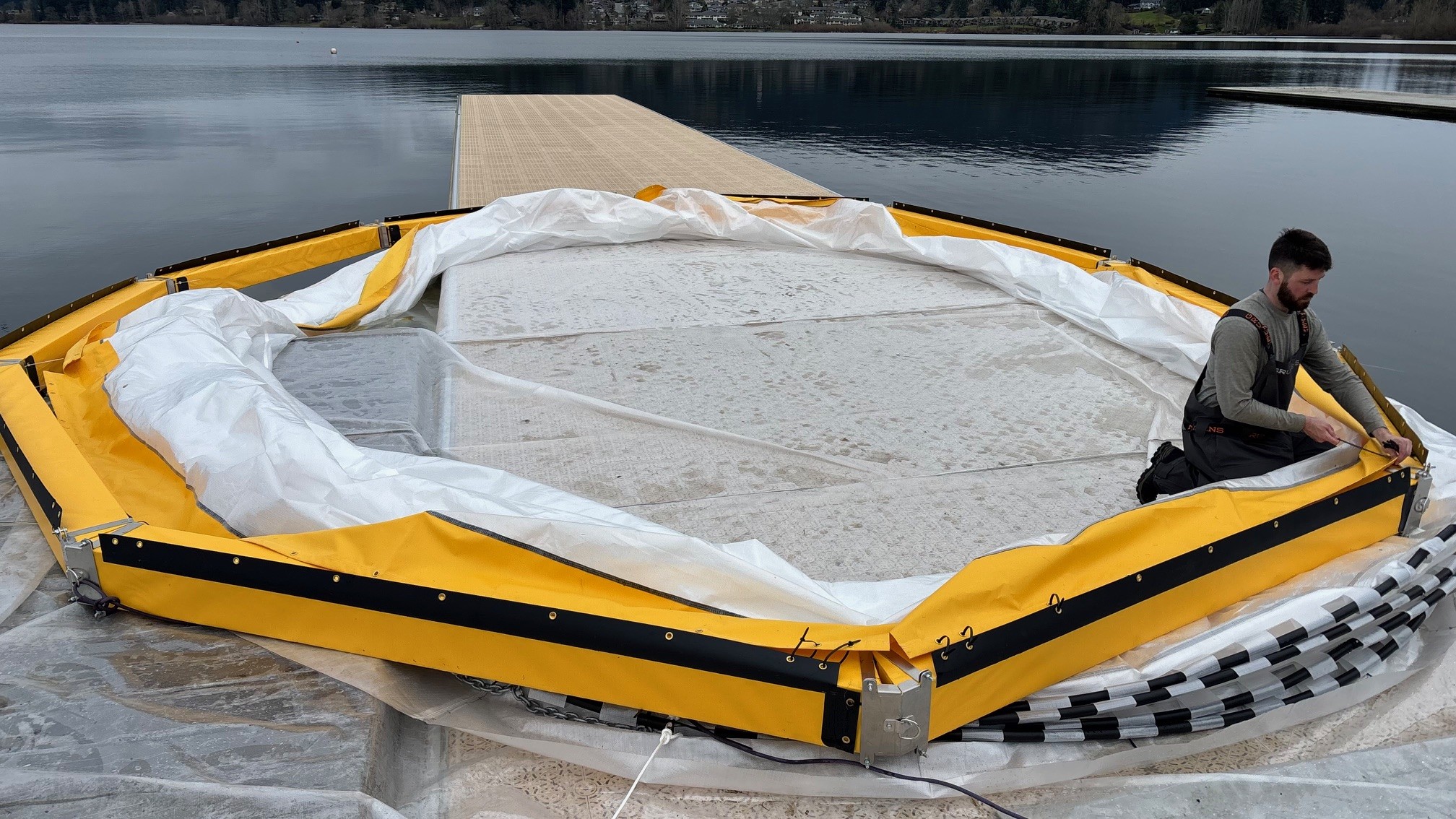
To assess the efficacy of these phosphorus remediation actions, North Cowichan staff have proposed trials of these approaches in large lake isolation cells. The cells are cylinders that extend from the lake's surface to the lakebed and enclose a section of the lake and sediment in the cylinder. The walls of the cylinder are similar to clear plastic greenhouse sheeting and the enclosures are framed with PVC tubing.
In 2025, Municipal Council directed staff to develop an aeration test program and to work with provincial regulators to approve the proposed trials. Later that year, provincial regulators approved a trial program that examines aeration and nutrient binders to improve the water quality conditions of Quamichan Lake.
How will the trials work and what is being tested?
The trials will run from April to September 2026. Three 8m diameter cylindrical enclosures will be used to isolate the water column and sediment from the ambient lake where contained experiments will be conducted. Because Quamichan Lake does not have any input from its tributary streams between April and September, no external sources of water are expected to influence the lake during the summer.
Trial 1
Timeframe: April to June 2026.
Purpose: This trial will assess the effectiveness of oxygenating the bottom of the lake to reduce internal loading.
Description: The first enclosure will contain a small-scale aerator at the lakebed and diffused air mixing system in the top layer of the lake to increase the size of the top layer of the water column and oxygenate the bottom layer of water. The paired systems are expected to reduce the aerator’s required operational time as the bottom layer of the lake should be decreased in size. The second enclosure will only include a small-scale aerator to oxygenate the bottom layer without affecting the natural thermal structure of the water column. The third enclosure will not contain any aeration and will act as the control. Ambient lake conditions will also be sampled to compare to the control to evaluate any potential effects the enclosures themselves may have on the results.
Trial 2
Timeframe: June to August 2026.
Purpose: This trial will assess how nutrient binders magnify the effect of aeration to reduce phosphorus in the water column to mitigate cyanobacteria blooms.
Description: The first enclosure will contain a small-scale aerator and diffused air mixing system with an aluminum-based binder. The second enclosure will contain a small-scale aerator with an iron-based nutrient binder. The third enclosure will not contain any interventions and will act as the control. The ambient lake will also be sampled to compare to the control to evaluate any potential effects the enclosures have on the results.
What samples will be collected?
Staff will collect a wide range of parameters to assess the effectiveness of each of the trials. Throughout the project, staff will conduct sampling of the following parameters:
- Phytoplankton
- Nutrients
- Temperature
- Dissolved oxygen
- pH
- Turbidity
- Conductivity
- Total metals
- Hardness
- Dissolved organic carbon
- Invertebrates
- Sediment analysis

What are the next steps?
After the trials are complete in August, the lake enclosure infrastructure will be removed. Staff will analyze the results with the consultant to determine the effectiveness of the different treatments. Staff will then present the results to provincial regulators, Council, and community to seek direction on developing a lake-wide system if applicable. If the data does not show positive water quality condition results, other options for lake remediation will be explored.
Acknowledgments
This project was made possible through a variety of collaborations and partnerships:
- Quamichan Lake is part of the traditional territory of Cowichan Tribes. Staff would like to thank Cowichan Tribes for their letter of support to the province for the aeration trials.
- Funding for the aeration trials was provided by the CVRD through the Drinking Water and Watershed Protection Program (DWWPP). We thank CVRD staff for supporting North Cowichan’s request to partner with them on this project through the DWWPP and CVRD Board for their support of funding and partnership on the project through the DWWPP.
- Provincial government staff have been very helpful in reviewing Quamichan Lake’s baseline dataset, exploring management opportunities, assisting in scoping out the aeration trials, and assisting with permitting for the study.
- Rowing Canada Aviron have provided continuous staff support, access to docking facilities for MNC’s workboat, and two docks. These contributions have significantly improved streamlining the day-to-day operations of the project.
- We also want to thank Mosaic Forest Management, the lakebed owner, for providing MNC authorization to conduct the aeration trials.